
Social Media and Jealousy: Understanding the Impact on Relationships
The journey from scrolling to suspicion starts small. It might be finding a name you don’t recognize in your partner’s comments, or seeing a like from someone important from their past. You tell yourself it’s nothing to worry about. Then you find yourself scrolling through it again ten minutes later.
That pull often comes from relationships shifting from privacy into the public eye, where anyone can interact freely—social media hands you access to your partner’s entire social footprint. You can see how often, and in what manner, exes, friends, coworkers, and strangers engage with their content. Our brains aren’t built to process this type of information calmly, so it tends to jump straight to worst-case scenarios.
Previous generations didn’t have to interpret a stranger’s comments or sort through what a like may mean. Now, it can become a routine part of our relationships without either party realizing it’s happening. By the time it comes into awareness, it’s already shaped the dynamic.
Why the Feed Feeds Jealousy
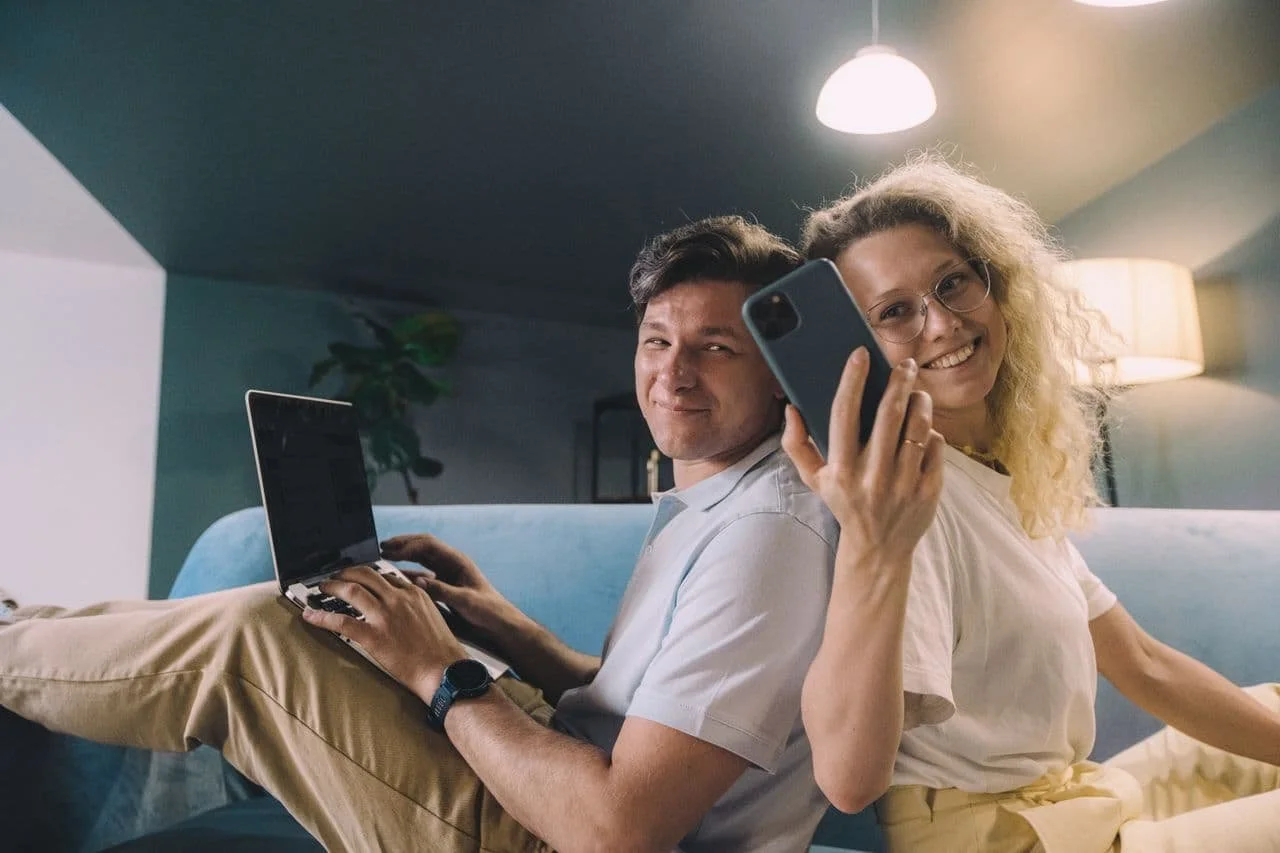
Social media platforms run on comparison. They’re a minefield of highlight reels, showcasing carefully curated anniversary posts, vacation photos, baby updates, and thoughtful moments. Comparing your relationship to other people’s best moments is unfair and can leave you feeling shortchanged, even when nothing is wrong.
Ambiguity also creates problems. Seeing an ex’s name tied to your partner’s post can mean absolutely nothing, or it can mean there is still some connection there. With no context to fill in the gaps, your mind reaches for the darkest explanation possible and runs with it. That uncertainty usually triggers jealousy.
What It Does to the Relationship
When left unchecked, this pattern of behavior chips away at the trust between you two. One partner starts checking timestamps and read receipts, seeking reassurance on a level that isn’t sustainable. The other feels like they’re under a magnifying glass for doing absolutely nothing wrong. Eventually, they will start to pull away or cover their tracks again, even when nothing is wrong, because their system was triggered.
Suspicion leads to checking, which leads to arguments. These arguments lead to more suspicion than before, creating a cycle that feels never-ending. Most couples caught in the loop aren’t dealing with betrayal, just an information gap. The only way out of this cycle is to figure out the pattern instead of waiting for it to resolve on its own.
Building Better Habits Together
Couples who can navigate social media successfully tend to have effective communication habits. They build agreements out loud rather than guessing each other’s limits. Here are some helpful starting points:
Name the specific interaction that bothered you instead of complaining about social media itself.
Ask who a person is instead of making accusations towards your partner.
Decide together what feels reasonable to share so you don’t slide into a state of surveillance.
Ask what your own jealousy is about, whether old insecurities or something new that’s popped up.
Social media shouldn’t be viewed as the enemy. A shift in communication could make all the difference.
When It’s Time to Get Support
Most couples work through a rough patch of jealousy once they start having the deep conversations. Sometimes, the pattern is too tangled to work through alone. Arguments keep happening and circling back to the same accusations.
That’s not a sign your relationship is failing. It often means you need a neutral space to slow down and truly listen to each other. This can be hard during heated moments.
If jealousy and social media have become a recurring source of tension in your relationship, we offer couples counseling designed to help partners rebuild trust and communicate through these kinds of conflicts. Schedule your first session with us to start working toward a relationship that feels steady again.